Efficient project management defines the difference between thriving in the construction industry and falling behind. With the fast pace of technological advancements and the increasing complexity of builds, construction professionals must adapt to stay competitive. Harnessing digital tools and strengthening team collaboration helps ensure projects are completed on schedule and within budget. From mid-rise developments to large public infrastructure, every build benefits from innovative strategies and updated systems. Businesses seeking dependable support may explore orlando general contractor services to help meet evolving construction demands.
As construction sites become more interconnected, real-time collaboration and responsiveness are pivotal. Integrating cloud-based technology, artificial intelligence, and modular build strategies not only drives efficiency but also delivers higher quality outcomes. Teams that champion continual workforce training and open communication stand out among competitors. Clients now demand not just buildings, but an entire experience based on transparency, speed, and outstanding workmanship.
As the demand for more complex and sustainable construction increases, these best practices form the cornerstone for success. Globally, the construction sector is under pressure to maximize value without sacrificing safety or adding costs. To thrive, adopting a holistic approach combining people, process, and technology is crucial.
Innovations in management platforms and smart construction methods offer practical improvements for organizations of any size. Recent data reported by McKinsey & Company show that digitization and upskilling together can improve project productivity by as much as 15 percent, marking a significant competitive advantage in a margin-driven market.
Embrace Digital Tools for Enhanced Planning
Modern construction management platforms have transformed the way projects are planned and executed. By integrating scheduling, documentation, and communication in a unified interface, these platforms eliminate data silos and streamline workflows. Digital scheduling tools also map construction tasks against both time and site layout, exposing logistical challenges before they disrupt a project. With enhanced visibility, project teams can resolve coordination issues faster and anticipate resource needs more accurately.
Implement Building Information Modeling (BIM)
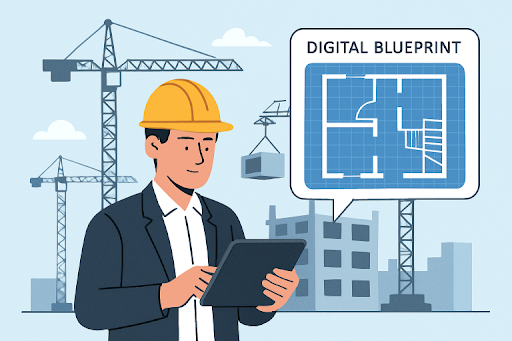
Building Information Modeling (BIM) serves as the industry’s single source of truth for design and operational data. It extends beyond visualization to include the minute details such as material specifications, costs, and scheduling elements. As a dynamic blueprint, BIM enables all stakeholders to work from the most recent information, minimizing errors and delays caused by outdated drawings. Project teams are empowered to test-run the project virtually, resolving costly clashes and refining processes before site work begins. The integration of BIM has significantly improved decision-making and collaboration in construction management.
Adopt Prefabrication and Modular Construction
The adoption of prefabrication and modular methods has drastically cut build times and minimized common field challenges. Modular construction involves manufacturing key components in off-site facilities, allowing for precise quality control and parallel progress at the build site. This process slashes material waste, reduces labor costs, and helps ensure timely delivery. With up to 50 percent faster completion compared to traditional methods, these strategies have become essential for high-performance project management, especially as clients seek shorter schedules and guaranteed results.
Integrate AI and Machine Learning
AI and machine learning tools bring an unprecedented level of intelligence to managing resources, risk, and timelines. AI-driven scheduling automatically adjusts as conditions on the ground change, while predictive analytics alert managers to potential delays or budget overruns in advance. Technologies such as 3D site scanning and AI-powered chatbots enhance both site safety and communication among dispersed teams. By leveraging these insights, project managers optimize paths and maintain momentum even in demanding environments. Emerging applications, like reinforcement learning for construction logistics, continue to further streamline operations and reduce costly setbacks, as detailed by The New York Times.
Invest in Workforce Development
Behind every productive construction site is a skilled and adaptable workforce. Thorough training programs blend technical instruction with mentorship, building not just skills but also a collaborative culture. Evidence shows that projects benefit from more reliable outcomes, higher contract win rates, and fewer quality concerns when investment in workforce development is prioritized. Organizations with robust development systems report finishing jobs faster and with fewer setbacks, solidifying their reputation for reliability in a competitive sector.
Enhance Collaboration Through Cloud-Based Tools
Collaboration on complex construction projects has always involved multiple stakeholders and workflows. Cloud-based project management solutions allow for instant updates, centralized storage, and seamless information flow between team members regardless of location. With platforms such as Procore and Autodesk Construction Cloud, everyone from procurement to subcontractors stays on the same page. The result is fewer miscommunications, faster approvals, and a more cohesive overall effort in the pursuit of shared goals.
Monitor Progress with Computer Vision
Automated construction progress monitoring using computer vision marks a leap forward in keeping projects on track. Instead of relying solely on manual inspections and reporting, object detection algorithms can follow construction site developments in real time, flagging discrepancies and updating schedules accordingly. This increased accuracy and efficiency provide project managers with deeper insight, ensuring that decision-making is timely and aligned with the realities on the ground. In the long run, the integration of computer vision optimizes project delivery and helps safeguard budgets.
Conclusion
Efficient, effective project management in modern construction requires a balanced approach that combines technological innovation with strong workforce development. Through digital tools, BIM adoption, modular methods, AI integration, and continual training, construction professionals can achieve faster, higher-quality, and more cost-effective results, securing a brighter future for the industry and its clients.