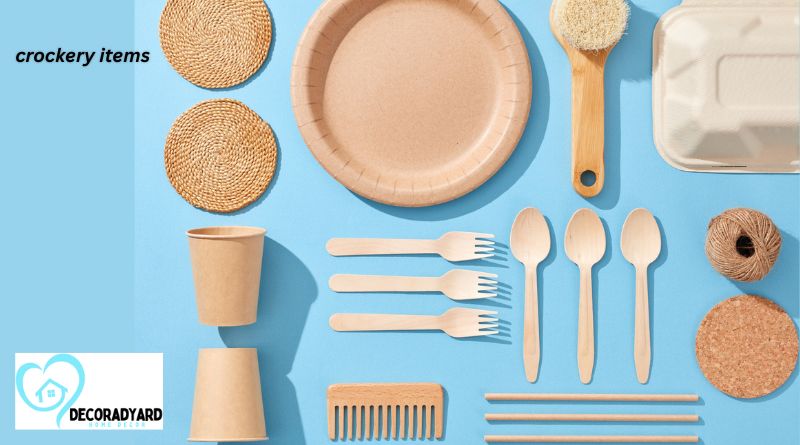
Crockery items are more than just functional kitchenware—they are an expression of style, culture, and hospitality. From everyday meals to festive gatherings, the right crockery enhances the dining experience and reflects personal taste. Whether you are setting up a new home or upgrading your kitchen essentials, understanding the importance and variety of crockery can help you make informed choices. In this article, we will explore different types of crockery items, their materials, and tips for selecting the best pieces for your household.
Understanding the Importance of Crockery Items
Crockery items play a central role in our daily routines. Every meal we serve is presented on plates, bowls, or platters, making crockery an essential part of the dining experience. Beyond functionality, they also contribute to food presentation. A well-plated dish served on elegant crockery can make even a simple meal feel special.
In many cultures, crockery items are associated with hospitality and tradition. Special dinner sets are often reserved for guests or celebrations, symbolizing respect and warmth. The design, color, and material of your crockery can influence the mood of your dining table. For example, minimalist white sets offer a modern and clean look, while hand-painted ceramic pieces add a rustic charm.
Investing in quality crockery is also a practical decision. Durable materials ensure longevity, reducing the need for frequent replacements. Moreover, selecting versatile designs allows you to mix and match pieces for various occasions, from casual breakfasts to formal dinners.
Types of Crockery Items for Everyday Use
When building your collection, it’s important to know the essential crockery items required for daily use. These typically include dinner plates, side plates, bowls, cups, saucers, and serving dishes. Dinner plates are the foundation of any set, used for main courses, while side plates are perfect for appetizers or desserts. Bowls come in different sizes and are suitable for soups, cereals, salads, or curries.
Cups and mugs are equally important crockery items, catering to tea, coffee, or other beverages. Serving platters and bowls are designed for presenting larger portions during family meals or gatherings. Having a complete set ensures convenience and consistency in presentation.
In addition to standard pieces, modern kitchens often include specialized crockery items such as pasta bowls, dessert plates, and snack trays. These items not only serve a functional purpose but also elevate the overall dining setup.
Materials Used in Crockery Items
The material of crockery significantly impacts its durability, appearance, and maintenance. Ceramic is one of the most common choices due to its affordability and versatility. It is available in various designs and colors, making it suitable for both casual and formal settings.
Porcelain is another popular material known for its refined look and lightweight feel. It is durable, chip-resistant, and often used for elegant dinnerware sets. Bone china, a type of porcelain, is prized for its delicate appearance and strength.
Stoneware offers a more rustic and sturdy option. It is thicker and heavier, ideal for everyday use. Glass crockery items provide a sleek and contemporary style, while melamine is lightweight and perfect for outdoor dining due to its resistance to breakage.
When choosing materials, consider factors such as microwave and dishwasher safety. Practical features can make a significant difference in daily convenience.
How to Choose the Right Crockery Items
Selecting the right crockery items involves balancing aesthetics, functionality, and budget. Start by identifying your primary needs. If you frequently host guests, investing in an elegant dinner set may be worthwhile. For families with children, durable and chip-resistant materials are a better option.
Color coordination is another important factor. Neutral shades like white, beige, or grey offer timeless appeal and complement various table settings. Bold patterns and vibrant colors can add personality and make your dining table stand out.
Storage space should also be considered. Stackable designs and compact sets are practical for smaller kitchens. Before purchasing, check customer reviews and product specifications to ensure quality and durability.
Lastly, maintain your crockery properly to extend its lifespan. Avoid sudden temperature changes, handle delicate pieces with care, and follow manufacturer instructions for cleaning.
Enhancing Your Dining Experience with the Right Crockery
The right crockery items can transform an ordinary meal into a delightful experience. Thoughtfully selected pieces reflect your style and create a welcoming atmosphere for family and guests alike. By understanding the different types, materials, and selection tips, you can build a collection that suits your lifestyle and enhances your home.
In the end, crockery is not just about plates and bowls—it is about the memories created around the table. Choosing quality and aesthetically pleasing pieces ensures that every meal feels a little more special.