Every property owner hopes to avoid the upheaval caused by plumbing emergencies. Regular maintenance plays a crucial role in achieving this. The importance of sewer line inspection & repair in St. George cannot be overstated because it provides an efficient way to catch potential problems before they escalate into full-blown disasters. Whether you own a home or manage a commercial property, keeping your plumbing system in check saves you time, money, and stress.
Hidden below the ground, sewer lines often go unnoticed until something goes wrong. Leaks, blockages, and pipe deterioration can develop silently but quickly turn into emergencies if left unaddressed. Proactive inspection and timely repairs ensure the integrity of your plumbing, dramatically reducing the risk of significant incidents that interrupt daily life and could lead to costly remediation.
Importance of Regular Sewer Line Inspections
Sewer lines are foundational to any property’s plumbing network, yet their location underground makes issues difficult to spot without professional tools. An unchecked pipeline can gradually deteriorate over time. Regular inspections provide property owners with early warnings of developing problems such as minor leaks or root intrusion, which could otherwise go unnoticed for months or years. Detecting these issues before they reach the surface or back up into your home is key to preserving both property value and peace of mind.
According to experts at the U.S. Environmental Protection Agency, regular inspections and prompt repairs help maintain the health of your entire plumbing system. These preventative measures also shield you from the inconvenience, health risks, and financial burdens associated with emergency repairs.
Common Issues Detected During Inspections
Professional inspections are designed to catch all types of potential sewer line problems. Some of the most prevalent issues identified during routine checks include:
- Tree Root Intrusions: In their search for moisture, tree roots naturally gravitate toward sewer lines. Once inside, they can cause significant blockages or even pipe rupture.
- Pipe Corrosion: Older pipes, especially those made from cast iron or clay, are prone to corrosion or wear over time, which can weaken structural integrity and lead to leaks or collapse.
- Blockages from Debris: Everyday items like wipes, grease, and other non-biodegradable materials often accumulate within pipes, limiting the flow of waste and sometimes causing backups that can flood your property.
Early detection of these issues allows targeted solutions to be implemented before severe damage occurs. This approach reduces both the need for extensive repairs and the likelihood of disruptive plumbing failures.
Advanced Technologies in Sewer Inspections
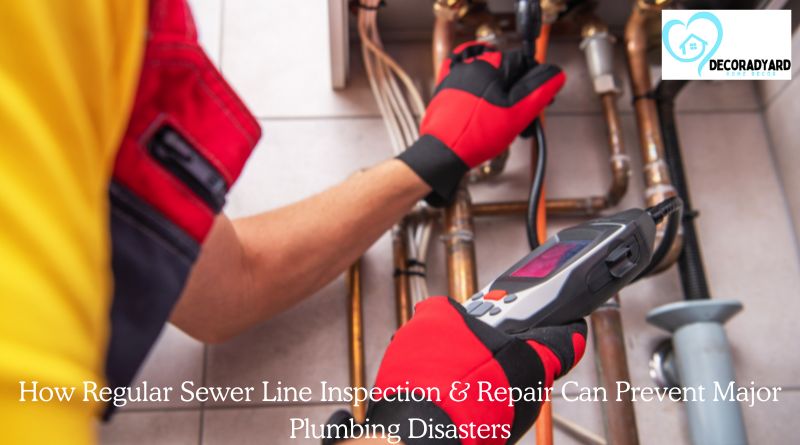
Modern plumbing professionals use state-of-the-art equipment to improve the accuracy and efficiency of sewer inspections. Chief among these is the closed-circuit television (CCTV) drain camera, which allows plumbers to see inside pipes in real time. By maneuvering a flexible camera through the sewer line, technicians can pinpoint specific problems, such as cracks, bellies, root infiltration, or blockages, without digging up your yard or flooring.
These advances mean repairs are better targeted and less invasive, reducing disruption to your daily routine and the cost of unnecessary excavation. For a detailed look at the technology behind modern sewer inspections, check out this resource from Family Handyman.
Preventative Maintenance Strategies
Preventive maintenance is essential for avoiding major plumbing issues. Regular inspections lay the groundwork, but additional strategies will help protect your sewer lines for the long term:
- Routine Inspections: Schedule professional inspections at least once a year, or twice a year for older properties or those with many trees nearby.
- Mindful Disposal: Don’t flush items like paper towels, feminine hygiene products, or grease down the drain. Even products labeled “flushable” can contribute to blockages.
- Root Management: Proactively install root barriers around trees near sewer lines, and choose plants with non-invasive root systems for landscaping in these areas.
By combining these preventative steps, property owners can extend the service life of their plumbing and maintain efficient system operation.
Cost Benefits of Regular Inspections
Although regular sewer line inspections entail an upfront financial commitment, the long-term cost savings are substantial. Early identification and correction of minor issues eliminates the need for emergency plumbing services, which are notably more expensive and disruptive. Repairs during an emergency may involve extensive damage to your property, result in higher labor costs, and often require temporary relocation or business interruption.
Maintaining your sewer system properly also safeguards your property value and protects against health hazards related to sewage leaks or backups. Additionally, a well-maintained sewer system can be a selling point for prospective buyers during resale, indicating diligent property care.
Conclusion
Regular sewer line inspection and maintenance offer a proactive defense against major plumbing disasters. Through early detection of problems, use of advanced technologies, and consistent preventative practices, homeowners and property managers can protect themselves from inconvenience, property damage, and unnecessary expense. Investing in scheduled inspections today is an investment in the stability and value of your property for years to come.