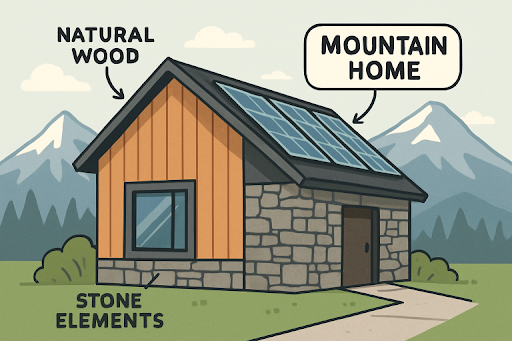
Modern mountain living is redefining what it means to reside amidst breathtaking landscapes. The idyllic charm of mountain homes is now being combined with cutting-edge sustainability practices and stylish modern design, ensuring that residents enjoy not only natural beauty but also comfort and environmental stewardship. As sustainable living becomes more popular among mountain homeowners and buyers, discovering the best homes for sale in Telluride CO means considering both tradition and innovation in design and lifestyle choices.
Today’s mountain dwellings seamlessly blend rustic elements—such as exposed wood and stone—with contemporary architecture, eco-friendly materials, and smart technology. This blend enhances both the environmental responsibility and livability of mountain homes, making them more resilient and beautiful for modern families seeking wellness, efficiency, and community connection.
Embracing Natural Materials
Homeowners and architects are taking inspiration directly from the environment, incorporating natural materials such as reclaimed wood beams, locally sourced stone, and organic textiles. These elements not only ground mountain homes in their surroundings but also contribute to healthier interior air quality and lower environmental impact. By using wide-plank wood floors, rough-hewn beams, and custom millwork, designers evoke warmth and authenticity, complementing vistas of forests and mountain peaks just outside.
This connection to the local landscape extends to stone countertops, fireplaces, and hand-crafted cabinetry. Combining these materials with earth-toned color palettes and minimalist design principles bridges the natural with the contemporary, offering a timeless sense of tranquility and refinement.
Integrating Smart Home Technology
Mountain living once meant roughing it, but now smart technology ensures that a remote location doesn’t equate to inconvenience. Homeowners are increasingly turning to systems such as smart thermostats, app-controlled security, and automated lighting to simplify their lives and safeguard their properties—particularly valuable during seasonal travel or extended absences common in resort communities.
Modern mountain homes are also leveraging technology for sustainability. Intelligent irrigation systems, energy monitoring devices, and remote appliance controls help minimize waste and maximize efficiency. As technology continues to evolve, integration in mountain homes will only deepen, providing better comfort and peace of mind.
Prioritizing Energy Efficiency
Sustainable mountain living is rooted in responsible consumption and energy conservation. Builders are prioritizing high-R-value insulation, triple-glazed windows, and advanced geothermal heating and cooling systems that keep homes cozy in winter and comfortable in summer—without excessive energy use. These features not only reduce the environmental impact of mountain homes but also lower long-term operating costs for owners.
Solar panels and green roofs have also become desirable choices for eco-conscious buyers, especially in sunny mountain regions. Efficient building envelopes and modern HVAC technology are increasingly found in both new constructions and renovations, making sustainability a cornerstone of both luxury and functional mountain living.
Designing for Wellness
Recognizing the intrinsic link between environment and well-being, homeowners are creating spaces that promote both mental and physical health. Features like dedicated home gyms, infrared saunas, and yoga or meditation retreats are becoming standard in modern mountain dwellings. The emphasis on wellness is further highlighted by maximizing natural light, achieved through expansive windows, skylights, and open layouts that invite mountain vistas inside.
Natural air purification via plant walls, ample fresh airflow, and chemical-free building materials can also contribute to a healthy living environment. These wellness-focused designs foster rejuvenation and resilience—key priorities for those seeking solace and health in high-altitude retreats.
Seamless Indoor-Outdoor Integration
Harmonizing the home with its natural surroundings is a defining feature of modern mountain architecture. Designers achieve this by installing dramatically large sliding glass doors that dissolve the barrier between inside and out, as well as creating covered patios and decks that serve as extensions of the living space. Outdoor kitchens, fire pits, and lounge areas encourage al fresco dining and socialization throughout the year.
These integrations not only enhance the scenic beauty but also invite homeowners to forge a deeper connection with nature, thereby boosting mental wellness and overall satisfaction in mountain living.
Community-Centered Design
While privacy has long been prized in mountain escapes, a new emphasis on meaningful connections and shared experiences is emerging. Resort communities are investing in mixed-use developments that incorporate walkable retail, dining, and entertainment options, encouraging residents to spend more time together and foster stronger relationships. Public spaces, such as plazas, communal terraces, and parks, host events that foster community bonds and infuse vibrancy into day-to-day life.
Successful developments now recognize that fostering community enhances the mountain living experience beyond private properties, creating spaces where people gather, collaborate, and celebrate amidst nature.
Conclusion
Modern mountain living is charting a new course—one in which tradition and innovation coexist. By embracing natural materials, integrating smart technologies, prioritizing energy efficiency, designing for wellness, blurring the boundaries between indoor and outdoor spaces, and fostering strong community ties, these homes become models of sustainability, resilience, and beauty. These trends ensure that living in the mountains can be both a fulfilling and environmentally responsible choice—today and far into the future.