The way homes are being built in 2026 is a direct response to instability. Rising material costs, energy pressures, harsher weather conditions, and changing family dynamics have pushed both builders and buyers toward a single long-term goal: resilience. It’s no longer just about good design or resale value. Homes now need to hold up under pressure, adapt over time, and remain affordable to run for decades.
You can see this shift even before the first slab is poured. Buyers are asking about thermal performance, backup power, material longevity, and what it’ll cost to maintain the house in ten years—not just what it costs to build today. The questions have changed, and so have the priorities. Design is still important, but it’s no longer the driver. Function, flexibility, and durability now lead.
Building for an Uncertain Future
What future-proofing really means in 2026 is building a home that’s ready for more than one version of the future. That includes unpredictable climate patterns, tighter energy regulations, changing household sizes, and lifestyle shifts like remote work or multi-generational living. A home that performs in one scenario but fails in another isn’t cutting it anymore.
For example, passive design is no longer a “nice to have.” It’s a starting point. Homes are now being oriented to reduce summer heat loads, maximise natural ventilation, and maintain thermal comfort with minimal mechanical intervention. Eaves, window placement, and material selection are being used intentionally to reduce energy use before the first appliance is even switched on.
Builders are also thinking more about how homes function during power outages, not just when the grid is stable. Solar systems with battery storage, heat pump hot water, induction cooking, and low-voltage lighting setups are becoming standard across many developments. The idea is to keep homes livable even during blackouts, not just efficient when everything works as it should.
Flexibility Is No Longer Optional
Layouts in 2026 are noticeably different to those from a few years ago. There’s a stronger focus on adaptable space—rooms that can shift from office to bedroom, or living zones that can be split for privacy when needed. Many buyers now want floor plans that can evolve with them, not lock them into a single lifestyle.
This change has been driven by experience. Over the last few years, people have realised that homes designed only for today’s needs become quickly outdated. Whether it’s kids returning home, older relatives moving in, or remote work becoming permanent, homes that allow internal changes without renovation are in high demand.
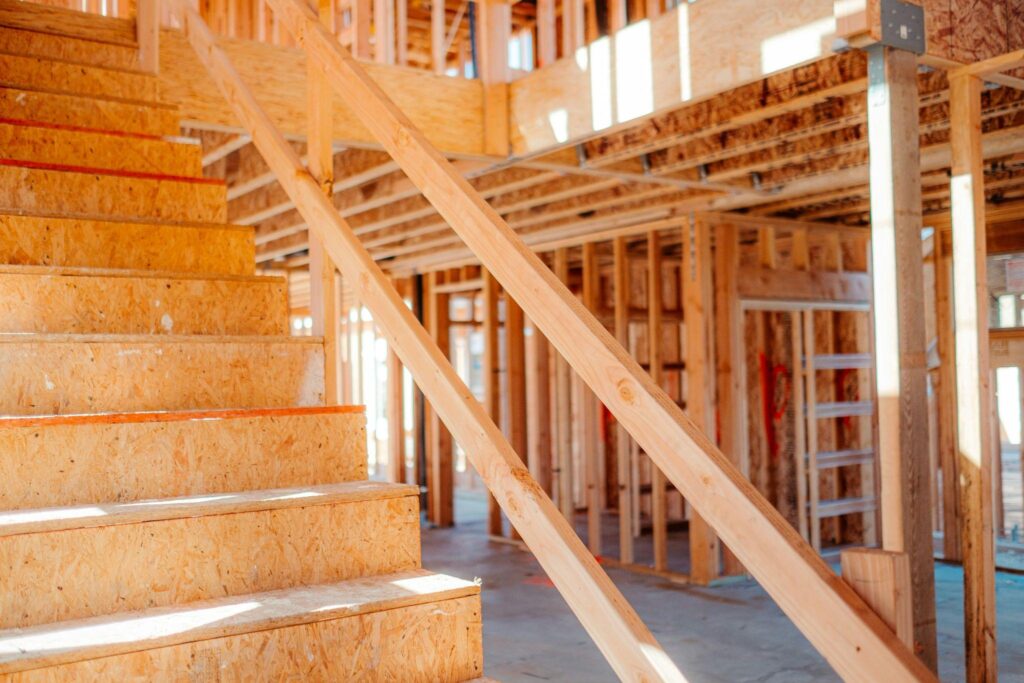
Even at the structural level, flexibility matters. Frameless walls, modular extensions, and pre-planned zones for future plumbing or solar expansion are becoming common inclusions. It’s not about cramming in more features, but about leaving room for change without having to rip the place apart.
Sustainability Without the Buzzwords
Sustainability in 2026 is much less performative than it used to be. Green labels and recycled materials aren’t enough on their own. What matters now is actual performance over time. Homeowners are asking how much the home will cost to heat in winter, how it handles wet summers, and whether it will still be efficient when regulations tighten again.
Durability plays a big role in that. Timber is still widely used, but increasingly with pre-treatment, sealed joints, and non-combustible cladding. Brick veneer is being replaced in some areas by lightweight panels that offer better insulation and are easier to maintain. It’s not about cutting corners—it’s about reducing failure points.
The best-performing homes in this space aren’t just efficient, they’re also low-maintenance. This includes decisions like choosing long-life metal roofing, fire-resistant insulation, or water-smart landscaping that doesn’t rely on irrigation systems. Every feature is being asked to do more than one job. Beauty alone isn’t enough.
How Major Builders Are Adapting
Larger project builders have been quick to respond to these demands. Some are focusing on high-efficiency baselines, while others are making adaptability the main selling point. Among them, Beechwood Homes has shifted toward designs that accommodate flexible family structures and include options for energy upgrades without full redesigns. It’s a sign that these priorities aren’t just niche—they’re now mainstream expectations.
This doesn’t mean custom homes are the only way to achieve future-proofing. Volume builders are increasingly offering packages that prioritise solar readiness, cross-ventilation, acoustic insulation, and battery storage as part of their base offering. Where once these were premium extras, they’re fast becoming the baseline standard.
The Influence of Local Conditions
Australia’s climate diversity is forcing more regional customisation, especially around durability. In areas prone to flooding, homes are being built higher with improved drainage and water-tolerant materials at ground level. In bushfire zones, construction now includes tighter ember-proofing and metal mesh screens as standard.
Even in urban settings, homes are being pushed to do more. Narrow blocks, higher density, and stricter environmental planning codes are driving smarter design. Builders are integrating stormwater management into landscaping, using acoustic fencing near busy roads, and choosing materials that can withstand more frequent extreme weather.
What’s changing is not just how homes look, but how much they’re expected to do. In 2026, the same house might need to withstand heatwaves, serve as a workplace, support a growing family, and do it all while keeping energy costs under control.
Looking Ahead: Performance Over Appearances
The conversation in 2026 is more grounded than aspirational. Homeowners want buildings that work. That includes less focus on decorative upgrades and more interest in what’s behind the walls—insulation levels, air-tightness, service access, future utility integration. Even smart home tech is being scrutinised for long-term usability, not just novelty.
Designs that once favoured open spaces are giving way to homes that zone effectively, manage noise, and provide personal space when needed. It’s about control, not just openness. And the result is a home that ages better and fits more versions of life, not just the one you’re in now.
Building in 2026 means thinking further ahead than ever before. Not just in years, but in use cases. What happens when the grid fails? When interest rates climb? When an extra family member moves in? Homes being built this year are expected to handle all of it—not perfectly, but reliably.