What Is Grabba Leaf?
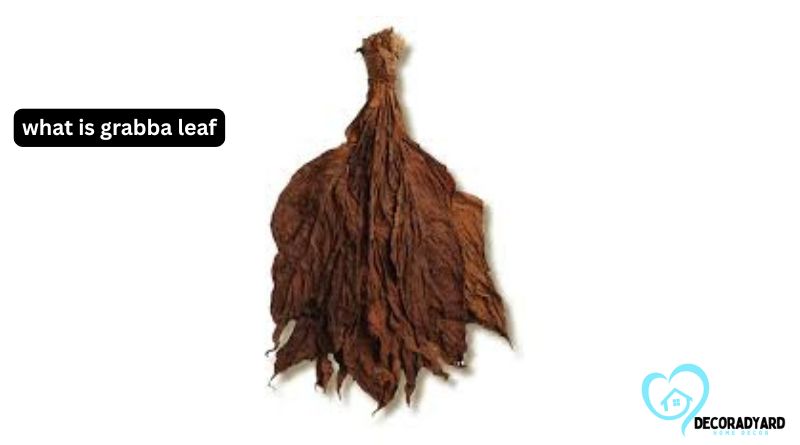
What is grabba leaf is a question often asked by people who encounter it in Caribbean culture or within smoking communities. Grabba leaf is a natural tobacco leaf, typically sun-dried and unprocessed, that originates primarily from regions in the Caribbean, especially Jamaica. Unlike commercially manufactured tobacco products, grabba leaf is valued for its raw and authentic form. It is usually sold as whole dried leaves or broken pieces and is commonly mixed with other herbs or substances rather than smoked on its own.
The leaf is known for its strong aroma, bold flavor, and high nicotine content. Because it undergoes minimal processing, grabba leaf maintains a natural, earthy character that appeals to those seeking a more traditional tobacco experience. This natural quality is a key reason grabba leaf has remained popular for generations.
The Origins and History of Grabba Leaf
Traditional Roots in Caribbean Culture
To truly understand what is grabba leaf, it helps to explore its cultural background. Grabba leaf has deep roots in Caribbean history, particularly in Jamaica, where tobacco has long been cultivated for both ceremonial and recreational purposes. Historically, tobacco leaves were dried, cured, and used by local communities in their most natural state, long before modern cigarettes existed.
Grabba leaf became especially popular among working-class communities because it was affordable, accessible, and versatile. Over time, it evolved into a cultural staple, commonly used in social gatherings and passed down through generations as a familiar and trusted product.
How Grabba Leaf Is Prepared and Used
Drying, Crushing, and Mixing
One of the defining features when discussing what is grabba leaf is how it is prepared. After harvesting, the tobacco leaves are sun-dried or air-cured to remove moisture while preserving potency. Once dried, users typically crush or shred small portions of the leaf.
Grabba leaf is rarely used alone. Instead, it is often mixed with other smoking materials to enhance flavor and strength. Because of its potency, even a small amount can significantly change the smoking experience. This flexibility makes grabba leaf popular among users who prefer to control intensity and taste.
Flavor Profile and Strength
Why Grabba Leaf Is Known for Its Potency
Another important aspect of what is grabba leaf is its distinctive flavor and strength. Grabba leaf has a bold, slightly bitter, and smoky taste that reflects its natural curing process. Unlike flavored or chemically treated tobacco, its taste remains earthy and robust.
The nicotine content is relatively high compared to many commercial tobacco products. This strength is why many users apply it sparingly. The experience is often described as more intense and immediate, which appeals to those looking for a powerful and authentic tobacco sensation.
Cultural and Social Significance
More Than Just a Tobacco Leaf
Beyond its physical properties, what is grabba leaf also involves its cultural importance. In many Caribbean communities, grabba leaf is more than just a product—it is part of daily life and social identity. It is often shared among friends, used during conversations, music sessions, or moments of relaxation.
In recent years, grabba leaf has gained attention beyond the Caribbean, spreading to other parts of the world through migration and cultural exchange. This global exposure has increased curiosity and discussion around what is grabba leaf and why it remains relevant in modern times.
Modern Awareness and Responsible Use
Understanding the Natural Nature of Grabba Leaf
As interest grows, it is important to approach grabba leaf with awareness. While it is natural and minimally processed, it is still a tobacco product and should be used responsibly. Understanding what is grabba leaf includes recognizing both its cultural value and its effects.
People who are drawn to grabba leaf often appreciate its authenticity and traditional roots. By respecting its origins and using it mindfully, users can better understand why grabba leaf has endured for so long as a distinctive and meaningful part of Caribbean heritage.