Home decor is not only about furniture, colors, or artwork; it is also about the small details that quietly shape the personality of a space. One such detail is the wall clock, an item that blends everyday function with decorative appeal. In modern homes, clocks are no longer chosen just to tell time—they are selected to complement interior styles, create balance on empty walls, and add a sense of rhythm to daily life. When thoughtfully chosen, a clock can become a subtle focal point that ties a room together while still serving a practical purpose.
Why a Wall Clock Matters in Home Decor
A wall clock plays a unique role in home decor because it combines usefulness with visual interest. Unlike purely decorative pieces, it earns its place by being both seen and used throughout the day. A well-designed clock can enhance the mood of a room, whether it is calm and minimalist or warm and traditional. In living rooms, it can anchor a seating area, while in kitchens or home offices it adds structure and order. The right clock also reflects the homeowner’s taste, signaling whether they prefer sleek modern lines, vintage charm, or artistic flair. This dual role makes it one of the most versatile decor elements in any home.
Balancing Function and Style
The beauty of a clock lies in its ability to balance function and style without overwhelming the space. A thoughtfully selected design can quietly support the room’s theme rather than compete with it. For example, a simple clock with clean lines works well in contemporary interiors, while ornate designs suit classic or rustic spaces. The key is to ensure that the clock complements existing colors, textures, and furniture. When this balance is achieved, the clock feels like a natural extension of the decor rather than an afterthought.
Choosing the Right Wall Clock for Every Room
Selecting the perfect wall clock depends largely on the room where it will be placed and the atmosphere you want to create. In bedrooms, softer designs with muted tones can promote relaxation, while bold styles in living areas can add character and energy. Dining spaces benefit from clocks that feel elegant yet understated, allowing conversation and comfort to remain the focus. Size also matters; a large clock can fill an empty wall beautifully, while a smaller one works better in compact areas. Thoughtful selection ensures that the clock enhances both function and aesthetics.
Materials, Size, and Placement
Materials such as wood, metal, or glass greatly influence how a wall clock feels within a space. Wooden clocks often bring warmth and a natural touch, while metal finishes add a modern or industrial edge. Size should be proportional to the wall and surrounding furniture to avoid visual imbalance. Placement is equally important; positioning the clock at eye level or above key furniture pieces helps it feel intentional. When these elements align, the clock becomes a harmonious part of the overall decor.
Trends and Timeless Designs
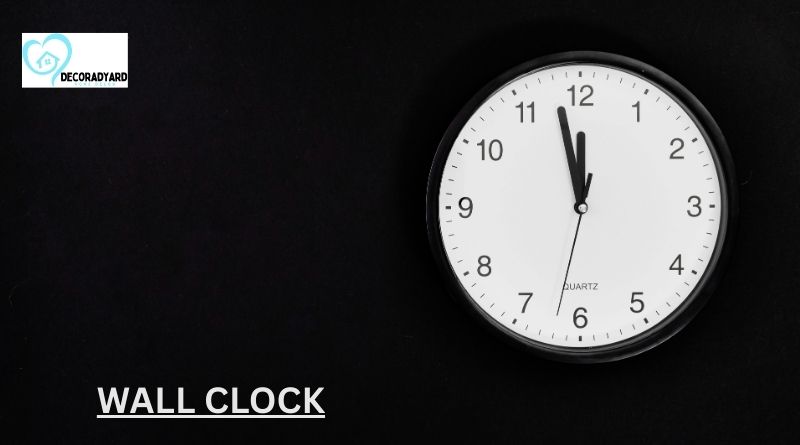
While decor trends change, the appeal of a wall clock remains constant. Current styles often favor minimalist faces, neutral colors, and unique shapes, but timeless designs continue to hold their charm. Classic round clocks, Roman numerals, or simple monochrome designs can adapt to evolving interiors over time. Investing in a design that balances trend and tradition ensures longevity and flexibility as decor preferences shift.
Making It Personal
Ultimately, a wall clock should feel personal and meaningful within your home. Whether it reflects a love for modern simplicity or vintage nostalgia, it should resonate with your lifestyle and taste. By choosing thoughtfully, this simple object becomes more than a timekeeper—it becomes a lasting element of home decor that quietly enhances everyday living.