When it comes to home improvement, few projects have as much impact as a new roof. Whether you’re replacing an old one or installing a new roof for the first time, choosing the right roofing company and understanding the process can be daunting. If you’re considering roof repair or installation, it’s important to research and understand the best options available. Websites like www.619roofing.com can provide helpful information, but it’s essential to make an informed decision based on your unique needs.
Why Roofs Matter More Than You Think
Your roof plays a crucial role in protecting your home from the elements. It shields your family and belongings from rain, wind, and harsh sunlight. A properly maintained roof enhances the aesthetic appeal of your property while contributing to its overall energy efficiency. Whether you’re dealing with roof leaks or considering a full replacement, keeping your roof in top condition is key to preserving the value of your home.
Choosing the Right Roofing Company
One of the most important decisions when it comes to roof repair or installation is selecting a qualified and trustworthy roofing company. Not all roofing contractors are created equal, so it’s essential to do some research. Look for a licensed roofing company with great reviews to ensure the work is done safely and effectively. Licensed contractors are trained to follow local building codes and can provide warranties for their services, which adds an extra layer of security for homeowners.
Before making a decision, ask the following questions:
- Is the company licensed and insured?
- Do they have a solid reputation with previous customers?
- Can they provide you with a clear estimate and timeline?
- Do they offer warranties on their work?
Types of Roofs and Materials
When it comes to roof replacement, there are various types of roofing materials to choose from. The material you select will depend on your budget, climate, and aesthetic preferences. Here’s a quick breakdown of the most popular roofing materials:
- Asphalt Shingles
Asphalt shingles are the most common roofing material in North America due to their affordability, durability, and ease of installation. They come in a variety of colors and styles to complement any home. - Metal Roofing
Metal roofing is gaining popularity due to its longevity and energy efficiency. It is resistant to extreme weather conditions, such as high winds and heavy snow, making it an excellent choice for homes in climates with severe weather. - Clay and Concrete Tiles
Clay and concrete tiles offer a beautiful, classic look, often seen in Mediterranean or Spanish-style homes. They are long-lasting and fire-resistant but tend to be more expensive and heavier than other materials. - Wood Shingles or Shakes
Wood shingles or shakes add a natural, rustic charm to your home. They’re typically made from cedar and can provide excellent insulation. However, they require regular maintenance to prevent rot and damage from insects. - Slate Roofing
Slate is a premium roofing material known for its exceptional durability and aesthetic appeal. Although slate is more expensive than other materials, it can last for over a century if properly maintained.
The Roof Installation Process: What to Expect
Installing a new roof or replacing an old one is a significant investment, so it’s important to understand the process from start to finish. Here’s a step-by-step breakdown of what you can expect during roof installation:
1. Initial Consultation and Inspection
Before any work begins, a professional roofing contractor will inspect your current roof to assess its condition. This helps determine whether repairs or a full replacement is necessary. The contractor will also take measurements and discuss material options based on your preferences and budget.
2. Getting the Estimate
Once the inspection is complete, the contractor will provide you with an estimate that outlines the costs for labor, materials, and any additional fees. Make sure to ask for a written estimate to avoid unexpected charges later on.
3. Scheduling the Installation
Once you’ve agreed to the terms, the contractor will schedule a date for the installation. This process can take anywhere from a few days to a week, depending on the size of the roof and the weather.
4. Roof Removal and Preparation
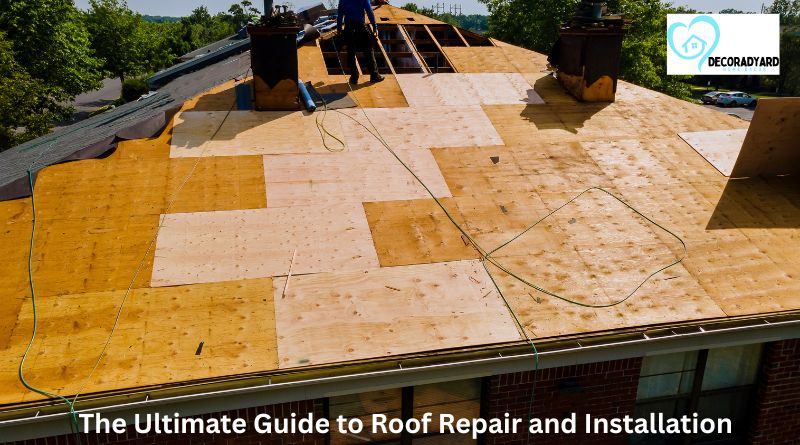
If your old roof needs to be replaced, the crew will begin by removing the existing shingles, tiles, or other roofing materials. This process involves stripping the roof down to its decking. The crew will also inspect the decking for any damage, ensuring that the foundation is solid before applying the new roofing material.
5. Installing the New Roof
Once the foundation is ready, the contractor will begin installing the new roofing material. This is the most time-consuming step, as the material needs to be carefully laid down, ensuring that each piece is secure and properly aligned.
6. Clean-Up and Inspection
After the new roof is in place, the contractor will clean up the job site, removing any debris, old roofing materials, and nails. A final inspection will ensure that the roof meets the quality standards and is installed according to the manufacturer’s instructions.
7. Final Walkthrough
Once everything is complete, the contractor will perform a final walkthrough with you to ensure that the job meets your expectations. They will also provide you with any necessary maintenance information and warranty details.
Roof Repair: When Is It Time to Repair Your Roof?
In some cases, a full roof replacement may not be necessary. Roof repair can be a cost-effective solution to fix specific issues. But how do you know when it’s time to call in a professional? Here are some signs that it may be time to repair your roof:
- Leaking or water stains: Water stains on your ceiling or walls are a sign that your roof has a leak.
- Missing or damaged shingles: Shingles that are missing, cracked, or curled can expose your roof to further damage.
- Granules in gutters: If you notice granules from asphalt shingles in your gutters, it could be a sign that your shingles are wearing out.
- Sagging roof deck: A sagging roof deck is a sign of structural damage that needs immediate attention.
- Age of the roof: If your roof is more than 20 years old, it may be time for a professional assessment.
Roof Maintenance Tips to Extend the Life of Your Roof
Proper maintenance can help extend the life of your roof and prevent costly repairs. Here are a few tips to keep your roof in great condition:
- Inspect your roof regularly: Check your roof for damage at least once a year, or after any major storms.
- Clean your gutters: Clogged gutters can cause water to back up and damage your roof. Keep them clear to allow water to flow freely.
- Trim overhanging branches: Tree branches can scrape against your roof, causing damage. Trim back any branches that are close to your roof.
- Remove debris: Leaves, twigs, and other debris can trap moisture and lead to roof damage. Regularly clear debris from your roof and gutters.
Conclusion: Invest in a Quality Roof for Peace of Mind
Whether you’re installing a new roof or repairing an old one, it’s essential to work with a licensed roofing company to ensure that the job is done correctly. By selecting the right roofing materials, following the installation process, and performing regular maintenance, you can enjoy a roof that not only protects your home but also enhances its value. Remember, your roof is one of the most important investments you’ll make in your home – choose wisely!